
UI/UX Design: Clarity Over Complexity
Design systems, Figma collaboration, and inclusive interfaces shaped how enterprise products looked and felt in 2022.
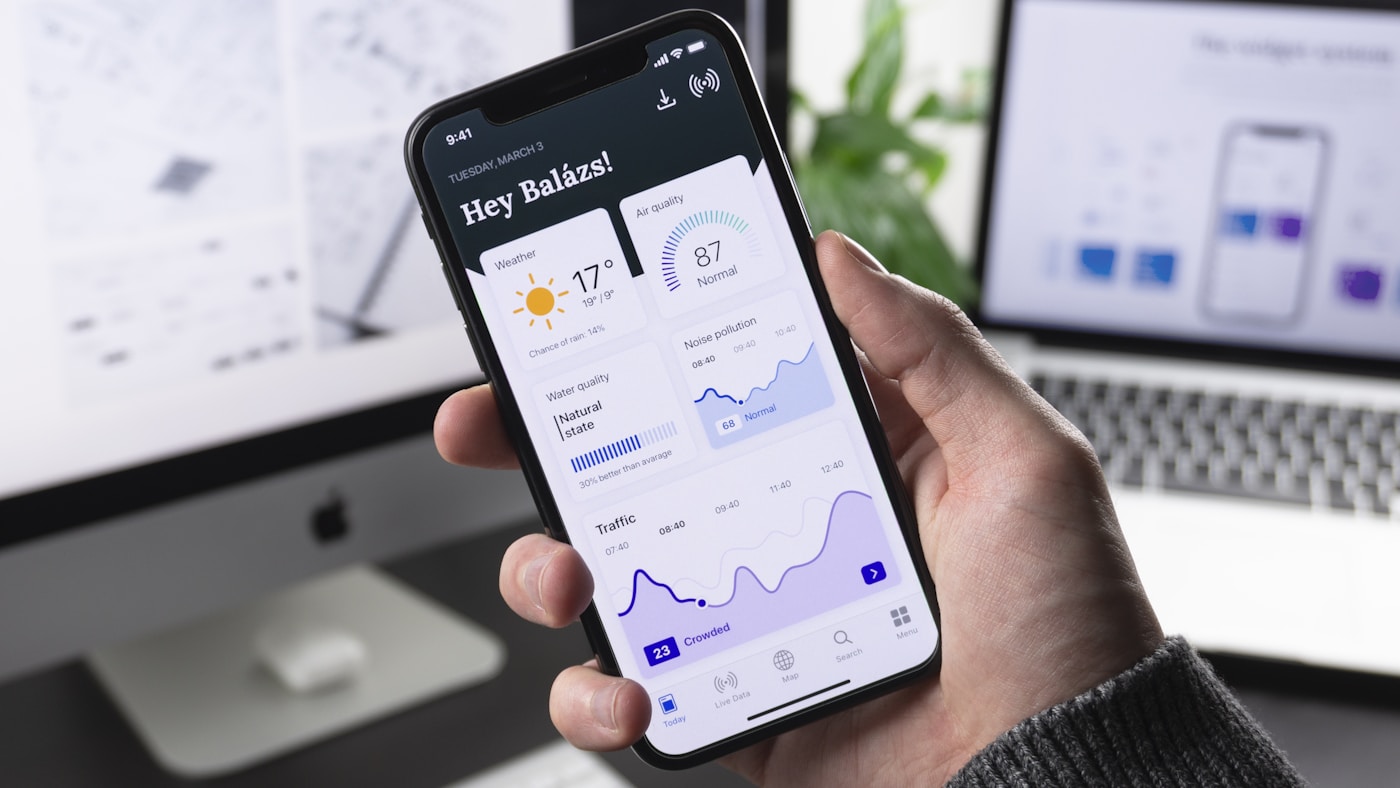
By 2022, users expected consumer-grade experiences inside business software. Cluttered admin panels and inconsistent forms were no longer tolerated — especially after teams spent years living inside collaboration tools with polished interfaces.
Design systems and Figma
Figma had become the default collaboration surface for product designers and developers. Shared component libraries, design tokens, and documented spacing and typography scales reduced rework between design and engineering. Atomic design principles helped teams reuse patterns across web and mobile without losing brand coherence.
Research and validation
Remote usability testing matured. Short interview cycles, clickable prototypes, and analytics from tools like Hotjar or GA4 informed decisions before code was committed. Jobs-to-be-done framing kept workshops focused on outcomes rather than personal preferences.
Inclusive and compliant interfaces
Contrast ratios, keyboard navigation, and screen-reader-friendly labels were baseline requirements in the EU market. GDPR also influenced UX: clear consent flows, minimal data collection, and transparent settings for cookies and notifications.
Good UX in 2022 was not decoration — it was operational efficiency. PrequaliQ pairs research-led design with implementation teams so interfaces stay usable long after launch.