
Maintenance1 min read
Maintenance & Support: How Far Autonomous Operations Go
Agentic triage, automated dependency upgrades, and AI-drafted postmortems cut toil in 2026 — while incident ownership stayed firmly human.
Read moreInsights on enterprise delivery, technology, and digital products.
Showing 55 of 55 articles
Latest insight
Agentic triage, automated dependency upgrades, and AI-drafted postmortems cut toil in 2026 — while incident ownership stayed firmly human.
Read moreAll articles

AI made reading old code cheap in 2026 — but characterisation tests, parallel running, and phased cutovers still decided whether modernisation succeeded.

MCP servers, idempotent write paths, and approval gates turned integration layers into safe ground for autonomous agents in 2026.
Design systems, transparency patterns, and accessibility discipline decided which AI-assisted interfaces users adopted in 2026 — and which they quietly avoided.
Private endpoints, GPU FinOps, and EU-resident model serving made cloud the default home for enterprise AI workloads in 2026.

Practical AI roadmaps — use-case tiers, EU AI Act alignment, and platform choices — helped boards fund what mattered in 2026.

Lakehouse analytics, semantic KPIs, and AI-assisted data quality gave enterprises near-real-time answers they could audit in 2026.

Cursor, Copilot, and agentic workflows helped teams ship bespoke .NET and TypeScript products faster — with stronger tests and clearer architecture in 2026.

How custom AI models and governed pipelines gave enterprises analytics in hours — not quarters — while meeting EU AI Act and security baselines in 2026.

React 19, Next.js server components, and streaming AI interfaces made assistive features feel native — when latency, fallbacks, and privacy were designed in.

Nearshore squads paired with AI assistants delivered more per sprint in 2026 — provided ownership, review culture, and security boundaries stayed human.
SLAs, observability, agentic runbooks, and continuous improvement for business-critical applications in 2025.

Enterprise architecture, EU AI Act readiness, and digital transformation planning in a disciplined economic climate.

Lakehouses, semantic layers, and edge analytics helped leaders see operational reality in near real time in 2025.
AI agents, small language models, and EU AI Act compliance shaped enterprise AI delivery in 2025.

How teams replaced ageing systems without stopping the business — containers, .NET 9, and phased cutovers in 2025.
REST, event-driven patterns, and Model Context Protocol connectors kept data flowing between ERP, CRM, and custom apps in 2025.

AWS, Azure, Kubernetes, and sustainable FinOps shaped how organisations ran workloads off legacy data centres in 2025.
Design systems, Figma workflows, and inclusive interfaces shaped how enterprise products looked and felt in 2025.

Why bespoke applications, domain-driven design, and .NET 9 mattered for organisations with unique processes in 2025.

Next.js 15 and 16, React 19, and the React Compiler reshaped how teams shipped cross-platform experiences in 2025.

How stable squads in 2025 paired React 19 engineers with AI-assisted workflows while staying embedded in client ceremonies.
SLAs, dependency hygiene, OpenTelemetry observability, and continuous improvement for business-critical applications.
Enterprise architecture, EU AI Act readiness, and platform strategy helped sponsors prioritise investment with confidence.

Lakehouses, semantic layers, and governed self-service helped leaders trust dashboards when AI-generated summaries proliferated.
Production AI in 2024 meant retrieval-augmented generation, vector stores, and governance as the EU AI Act neared finalisation.

Strangler-fig programmes, API facades, and container targets helped teams replace ageing systems without stopping the business.

REST, async events, iPaaS, and contract testing kept ERP, CRM, and SaaS estates aligned when change was constant.
Kubernetes, internal developer platforms, FinOps, and green-cloud practices shaped how organisations ran workloads in 2024.

Figma variables, accessible patterns, and research-led validation kept enterprise interfaces coherent as AI tooling accelerated early ideation.

Why bespoke applications, vertical workflows, and .NET 8 still won when SaaS templates could not match how the business operated.

How teams in 2024 shipped faster with React 19, Next.js 14 and 15, and tighter performance budgets across web and native clients.

Embedded remote-ready teams with Next.js, .NET 8, and platform skills helped organisations scale delivery without losing domain context.

SLAs, dependency scanning, Kubernetes upgrades, and AI-assisted triage kept business-critical applications secure and observable in 2023.
Enterprise architecture, EU AI Act readiness, platform engineering, and vendor selection helped leaders prioritise 2023 technology spend.

Cloud warehouses, semantic models, and governed datasets remained essential as organisations balanced dashboards with early analytics copilots.

GPT-4, Azure OpenAI, early RAG adoption, and EU AI Act discussions shaped how enterprises moved generative AI from pilots to governed workflows.

Strangler-fig migrations, .NET 7 and 8 upgrades, and Kubernetes targets helped teams replace ageing systems without stopping the business.

REST, GraphQL, event-driven middleware, and early RAG pipelines kept ERP, CRM, and custom apps aligned in 2023's integration programmes.

Azure OpenAI services, Kubernetes 1.28, infrastructure as code, and mature FinOps programmes defined enterprise cloud delivery in 2023.

Design systems, conversational UI patterns, and inclusive research practices shaped enterprise interfaces as ChatGPT-style experiences entered business software.

Why organisations chose custom applications built on .NET 7 and 8, TypeScript 5, and domain-driven design when SaaS templates fell short.

Next.js 13 App Router, React Server Components, React 18, and Flutter 3.16 shaped how organisations shipped hybrid web and mobile experiences in 2023.

How embedded development squads in 2023 adopted GitHub Copilot, platform engineering practices, and stable remote rituals to sustain velocity.

SLAs, security patching, observability, and continuous improvement for business-critical applications.

Enterprise architecture, vendor selection, and digital transformation planning in a cautious economic climate.
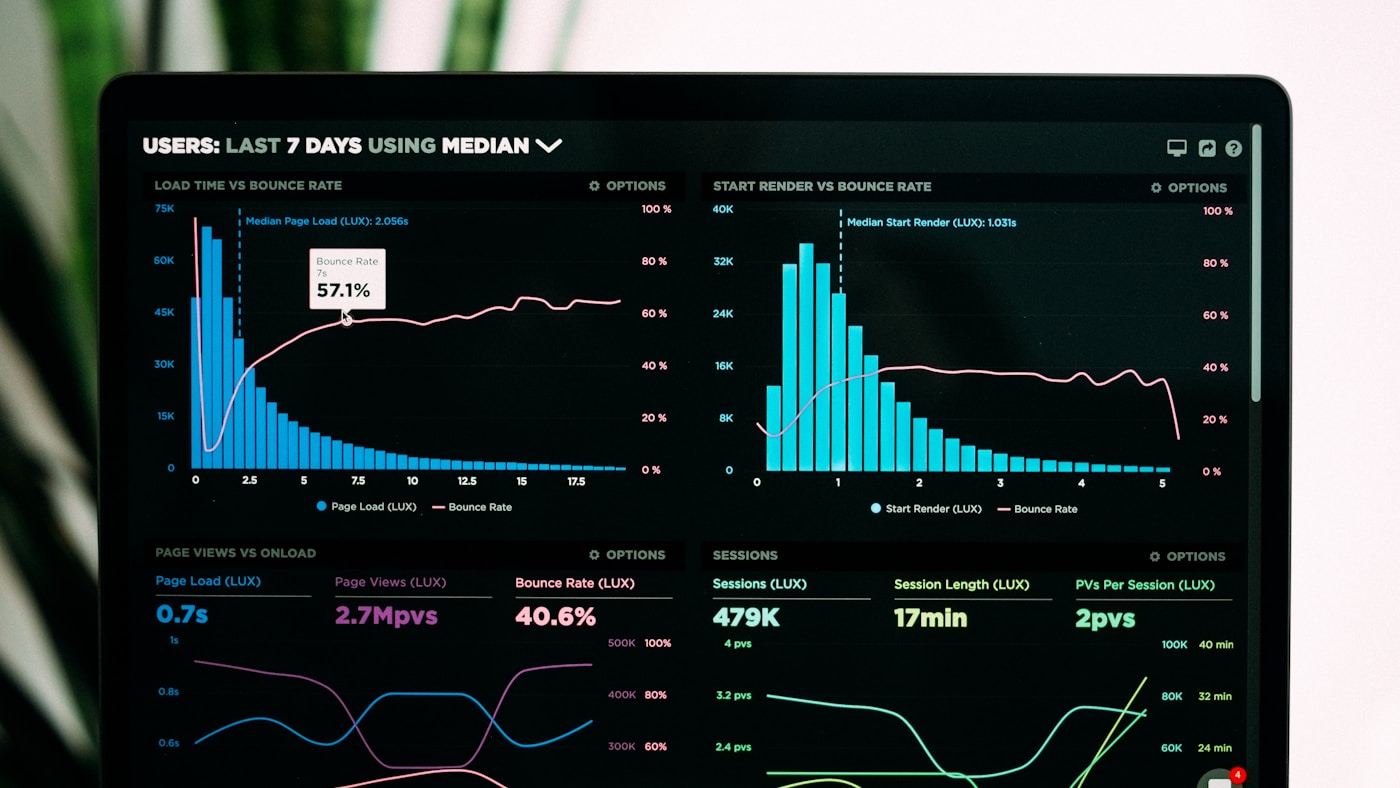
Power BI, SQL warehouses, and data governance helped leaders see operational reality in near real time.

MLOps, predictive models, and intelligent automation in the year before ChatGPT changed the conversation.

How teams replaced ageing systems without stopping the business — microservices, containers, and phased cutovers.

REST, GraphQL, iPaaS, and event-driven integration patterns kept data flowing between ERP, CRM, and custom apps.

AWS, Azure, Kubernetes, and FinOps shaped how organisations moved workloads off legacy data centres.
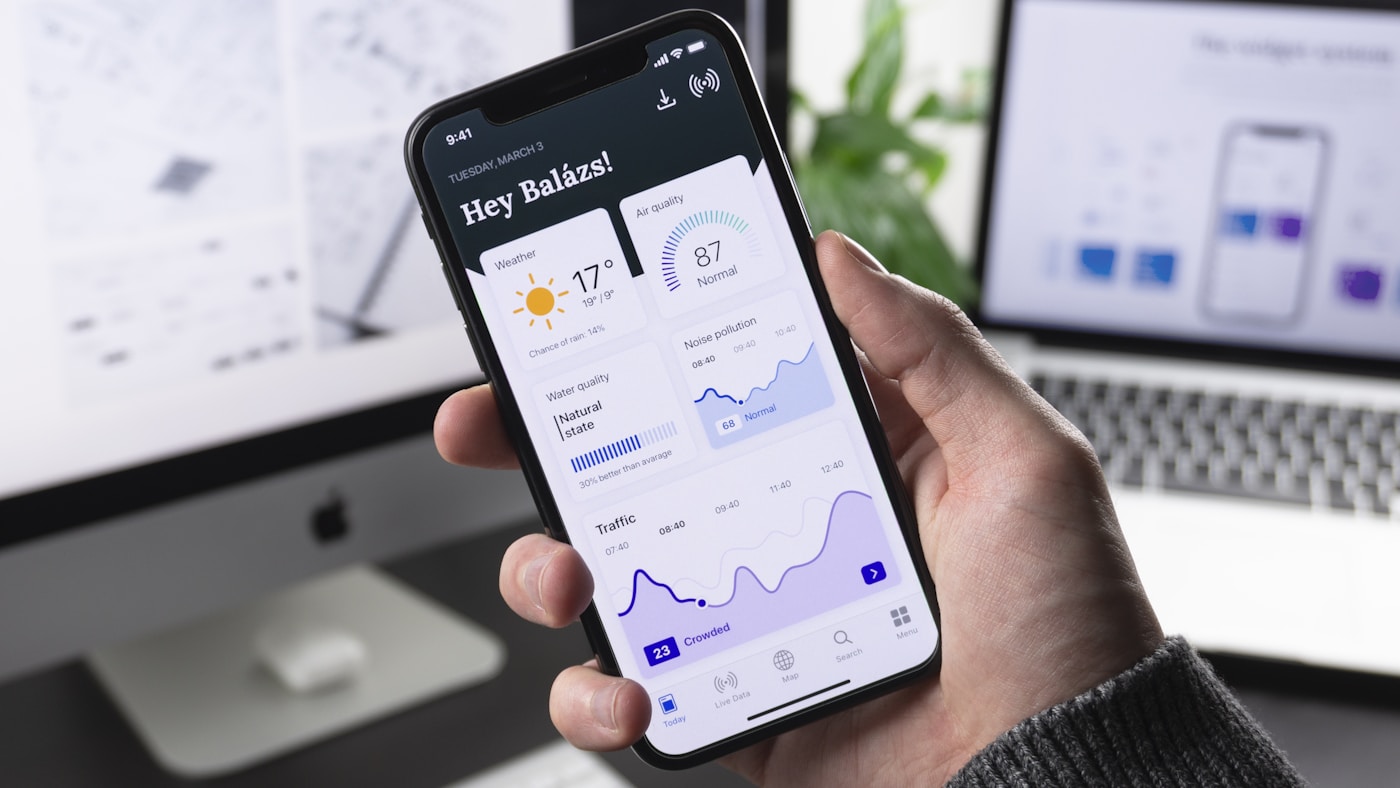
Design systems, Figma collaboration, and inclusive interfaces shaped how enterprise products looked and felt in 2022.

Why bespoke applications, domain-driven design, and .NET 6 mattered for organisations with unique processes.

How organisations in 2022 approached React, Flutter, and progressive web apps after two years of accelerated digital demand.

Remote-ready squads, Scrum ceremonies, and long-term product ownership filled skills gaps across Europe.