
Web & Mobile Applications: Building for a Hybrid World
How organisations in 2022 approached React, Flutter, and progressive web apps after two years of accelerated digital demand.
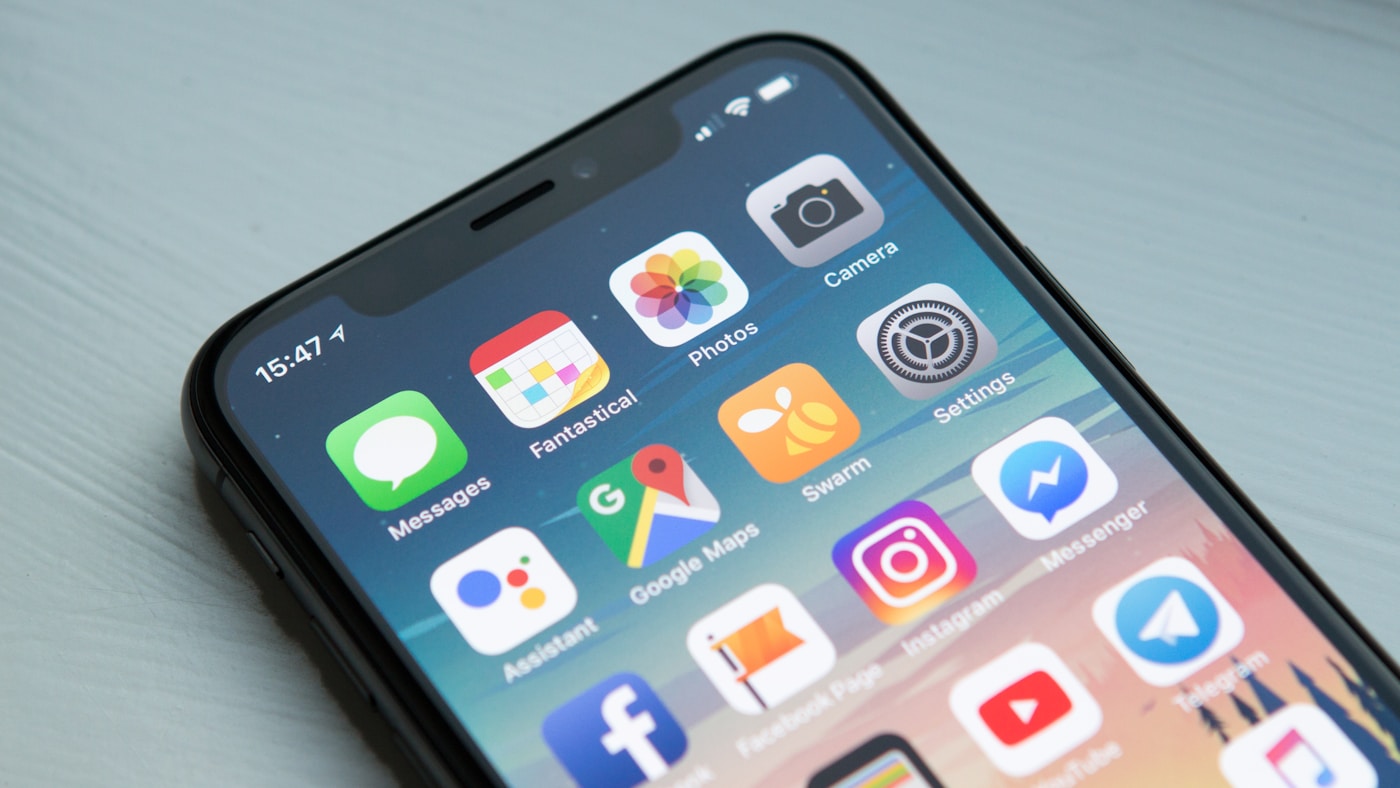
In 2022, web and mobile applications stopped being a nice-to-have and became the primary interface between businesses and their customers. After the rapid shift to remote and hybrid work, organisations needed reliable digital channels that worked on any device — without rebuilding everything from scratch every year.
What teams were building
Cross-platform frameworks such as Flutter 3 and mature React Native releases made it easier to ship one codebase to iOS and Android. On the web, React 18 and frameworks like Next.js 12 improved performance with streaming and better server rendering. Progressive web apps (PWAs) remained popular for field teams that needed offline access without app-store friction.
Architecture trends
API-first design was the default. Frontends consumed REST or GraphQL services, often deployed separately from legacy back-office systems. Security expectations rose: OAuth 2.0, OpenID Connect, and short-lived tokens were standard for customer portals and employee apps alike.
What mattered in delivery
Successful projects in 2022 focused on measurable outcomes — faster onboarding, fewer support calls, clearer workflows — rather than feature lists. Accessibility (WCAG 2.1), performance budgets, and GDPR-conscious analytics were part of every serious release checklist.
At PrequaliQ, we help organisations plan, design, and launch web and mobile products that fit how teams actually work — from first prototype to production scale.