
Maintenance & Support: AI-Assisted Operations at Scale
SLAs, observability, agentic runbooks, and continuous improvement for business-critical applications in 2025.
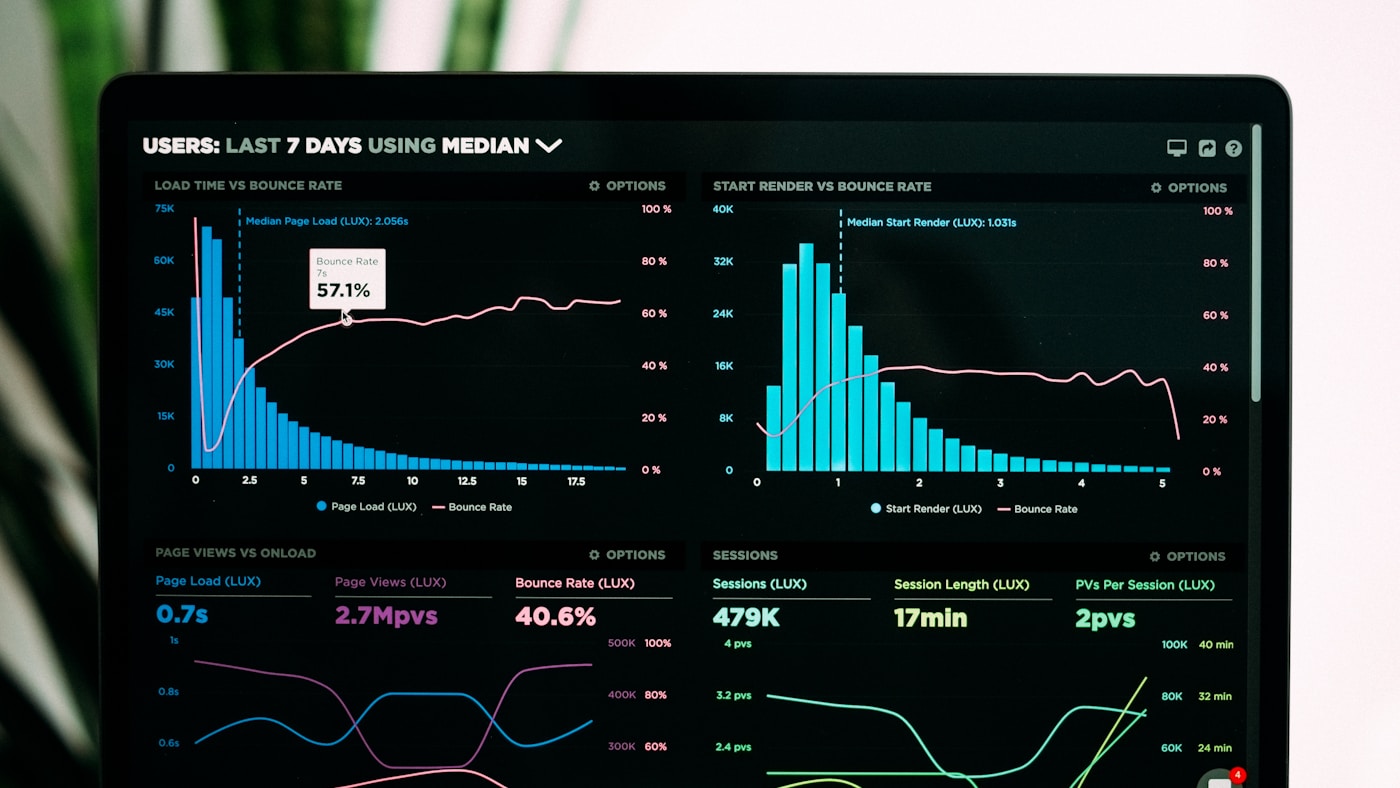
Launch day is visible; maintenance is where reliability is won or lost. In 2025, organisations depended on applications that had evolved through several release cycles — now those systems needed sustainable care: patches, monitoring, performance tuning, and small enhancements without destabilising production.
Operational practices
Defined SLAs for response and resolution times set expectations. On-call rotations, incident runbooks, and post-incident reviews reduced repeat outages. Centralised logging and APM tools shortened diagnosis time. AI-assisted triage — grounded in observability data, not guesswork — helped teams classify incidents faster while engineers retained final judgement.
Security maintenance
Dependency scanning, OS patching, and certificate rotation were continuous tasks. Supply-chain security reviews and SBOM expectations remained part of vendor assessments. Framework upgrades — including .NET 9 and Next.js security releases — were planned rather than deferred until crises forced them.
Evolutionary improvement
Good support was not frozen software. Small UX fixes, report tweaks, and integration adjustments kept systems aligned with business change without starting new mega-projects. Teams that paired maintenance with FinOps reviews often found cost savings alongside stability gains.
PrequaliQ maintenance and support services keep your applications secure, observable, and ready for the next feature — not just the last outage.